
About This Reflection Blog
This blog documents my journey through the Ed.S. program, sharing insights gained from courses, personal reflections on readings and videos, and showcasing my growth in digital learning and citizenship. It aims to connect my experiences with broader educational themes and inspire continued growth.
Through this space, I reflect on challenges and successes and document creative projects as I progress toward my graduate degree.

Courses
These posts capture my ongoing journey through the Ed.S. program, sharing insights, challenges, and moments of discovery in education. Each reflection deepens my understanding and highlights my progress as an educator committed to continuous learning.
Technology in Curricula
Chapter 2 Assignment
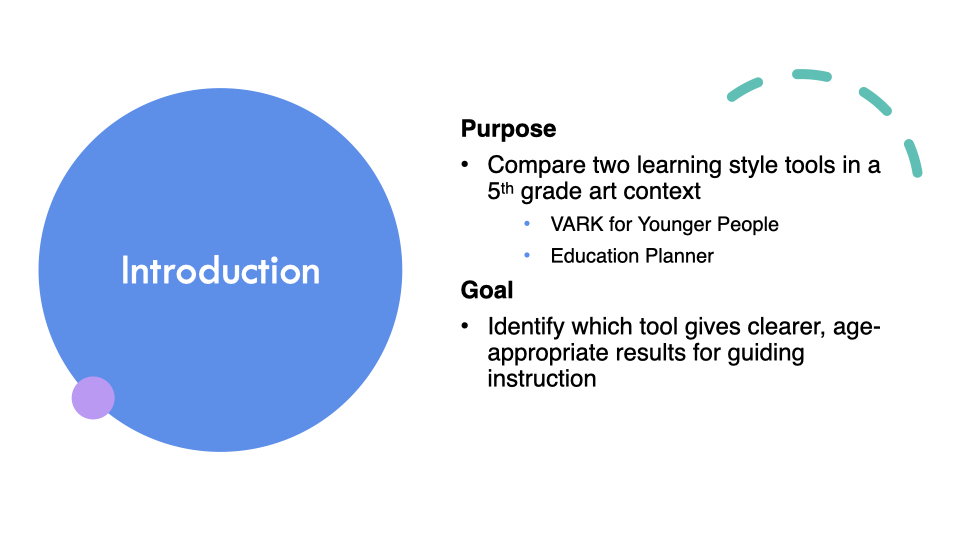
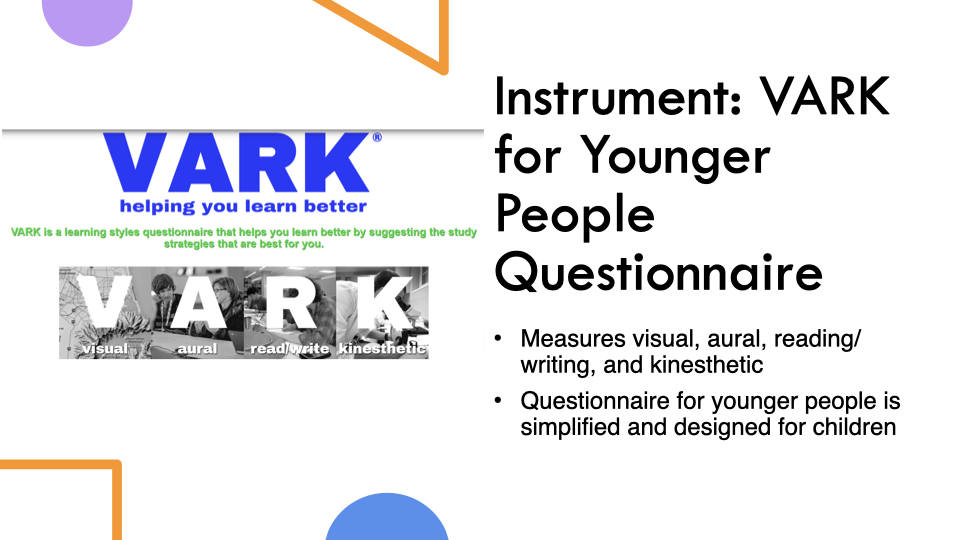
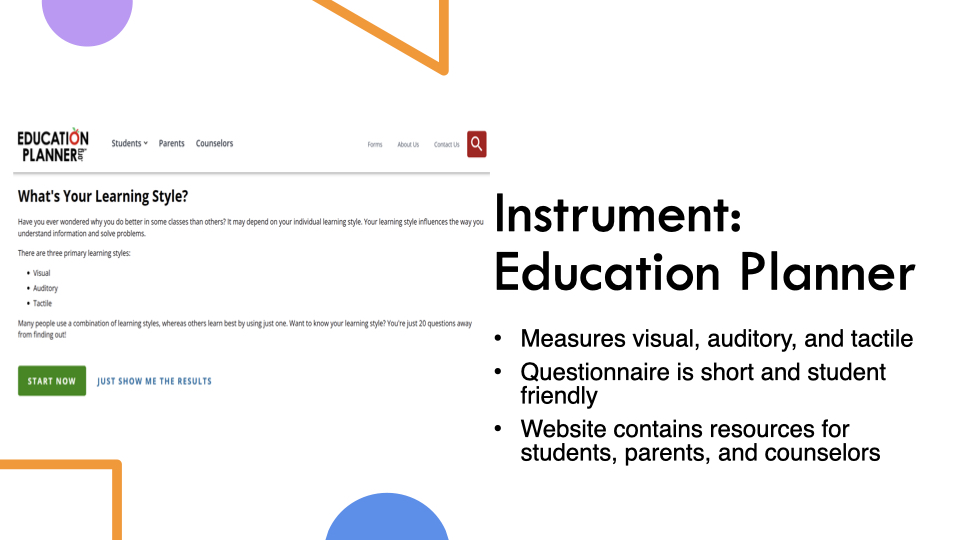
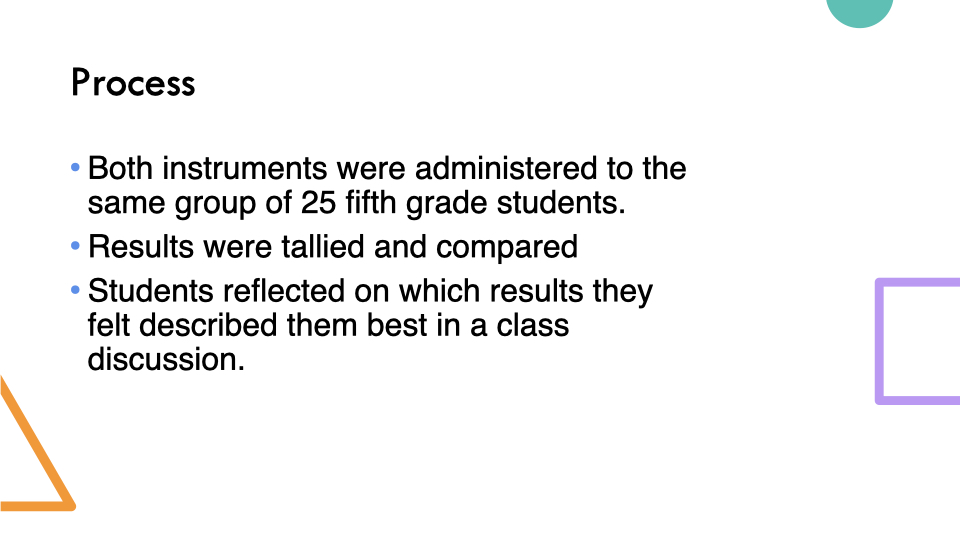
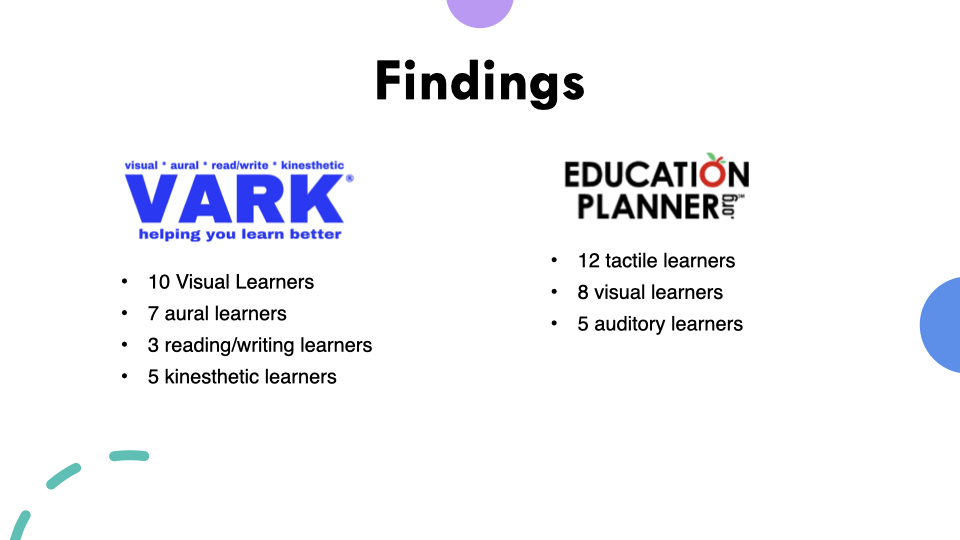
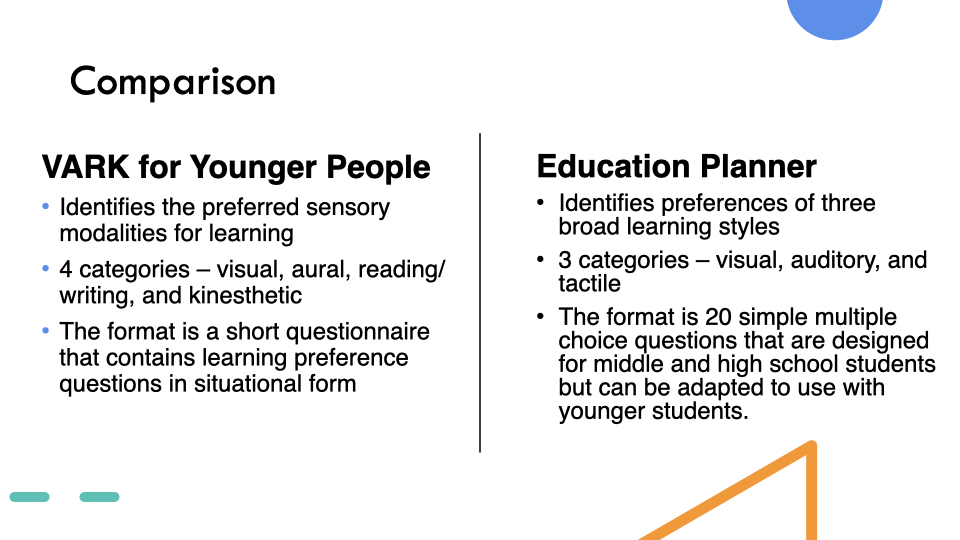
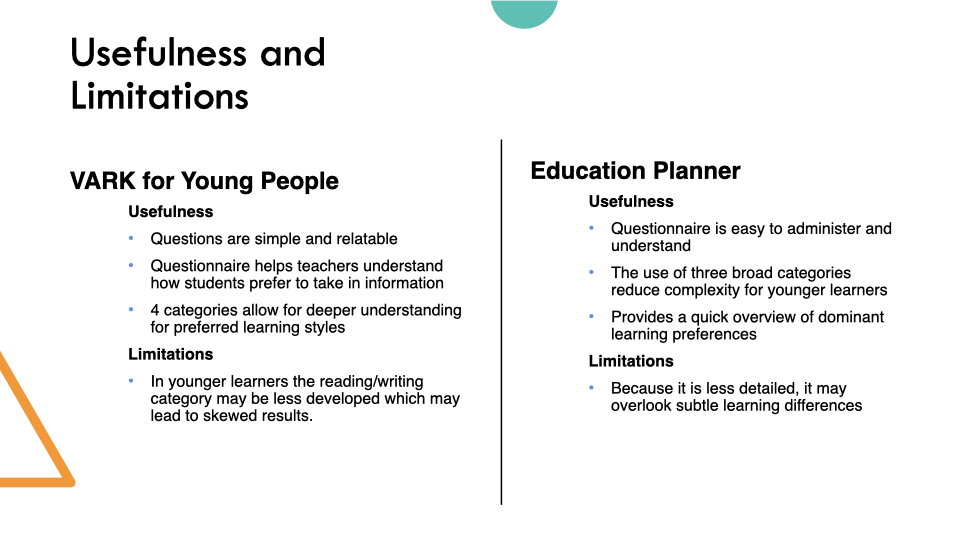
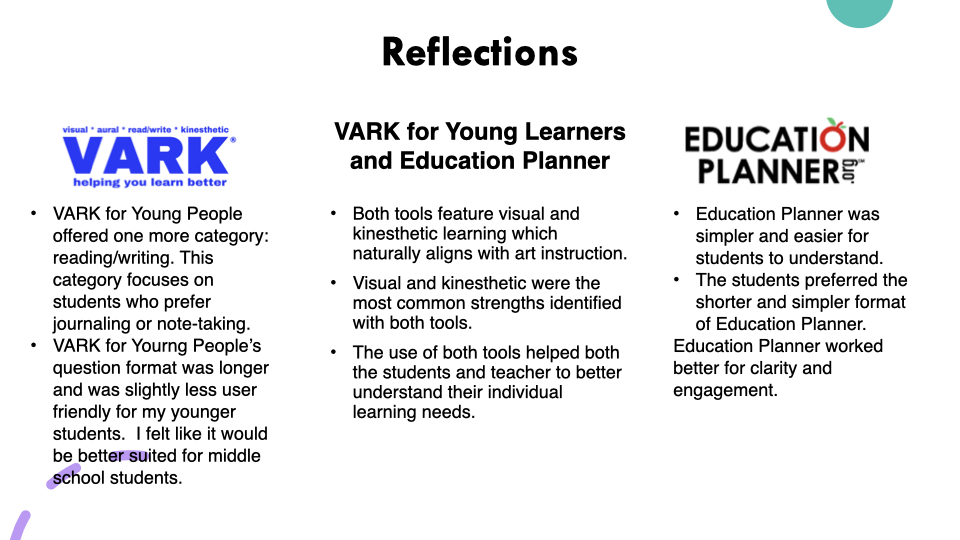
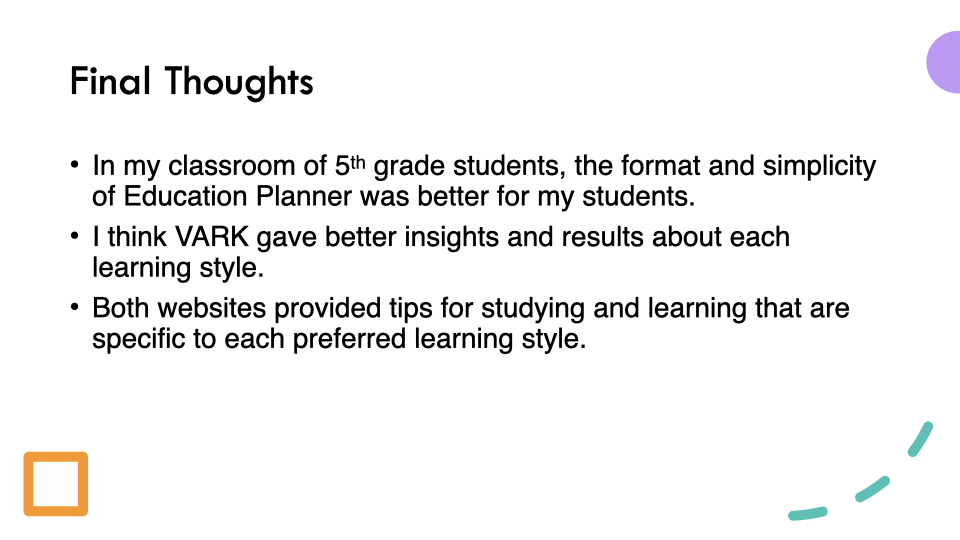
Working on this comparison reminded me how often I rely on visual and kinesthetic approaches in my art classroom without always naming them. Seeing my students’ results helped confirm what I already observe daily; their strongest engagement comes through hands-on and visually rich activities. Evaluating both tools also made me rethink how important it is for the assessments to be age appropriate. The simpler format of Education Planner aligned more closely with how my fifth graders process information, reinforcing how important clarity and accessibility are when selecting tools that truly support learning.
CHapter 4 Assignment
Using AI for this assignment helped me quickly sort through research so I could focus more on interpreting ideas and thinking about how they apply to my art classroom. It reminded me how useful AI can be for organizing information, but also how important it is to verify accuracy; especially when creating visuals or teaching materials. As an art teacher, I’m cautious about AI because of concerns around authorship and image use, but this process showed me that, when used carefully, it can support planning and spark ideas, like offering virtual museum experiences to my students.
Chapter 6 Assignment
For this assignment, I chose to research Augmentative and Alternative Communication devices because several of my elementary art students use them, and I wanted a better understanding of how they support communication. Learning about their history and functions helped me see how these tools give students more independence and allow them to participate more fully in creative tasks. This research also made me more aware of how I can adjust my instructions, pacing, and classroom routines to better support students who rely on AAC. It reinforced the importance of creating an inclusive art environment where every student’s voice is valued.
Chapter 7 assignment
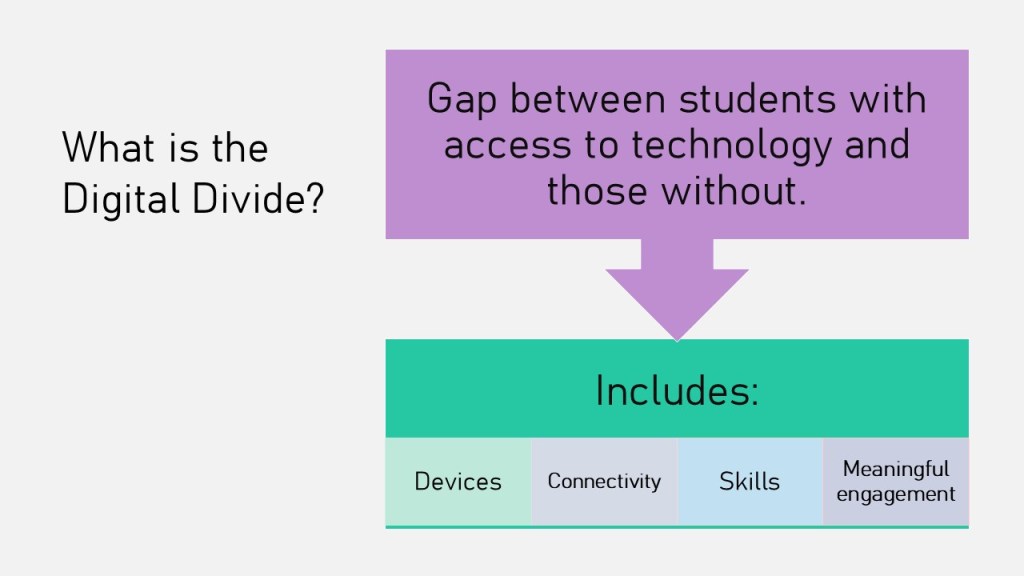
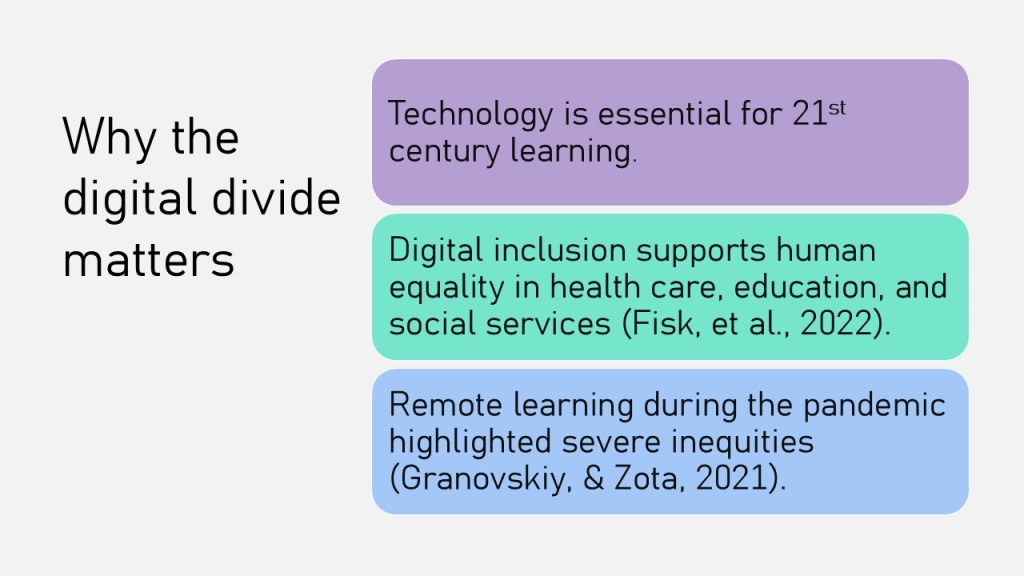
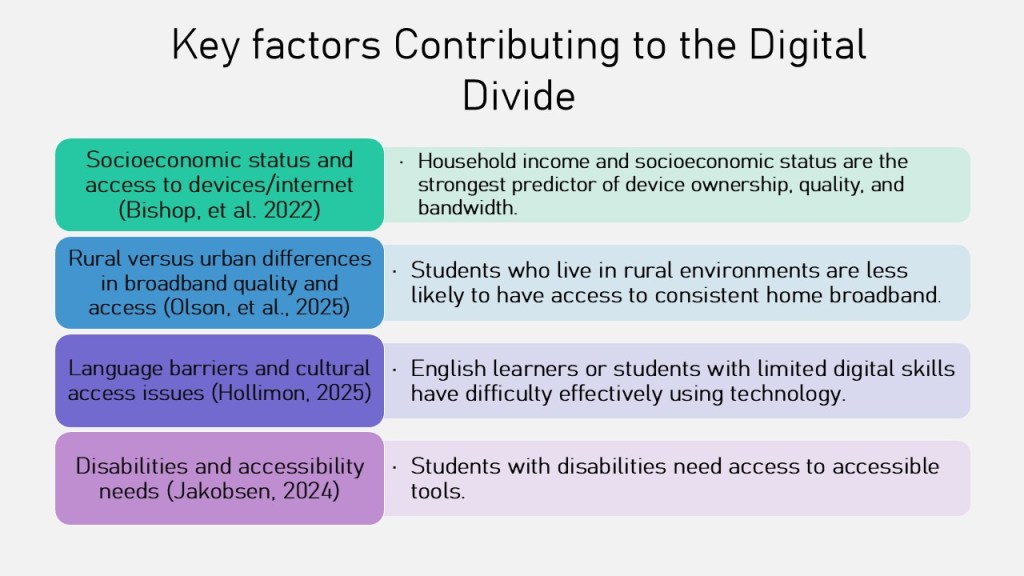
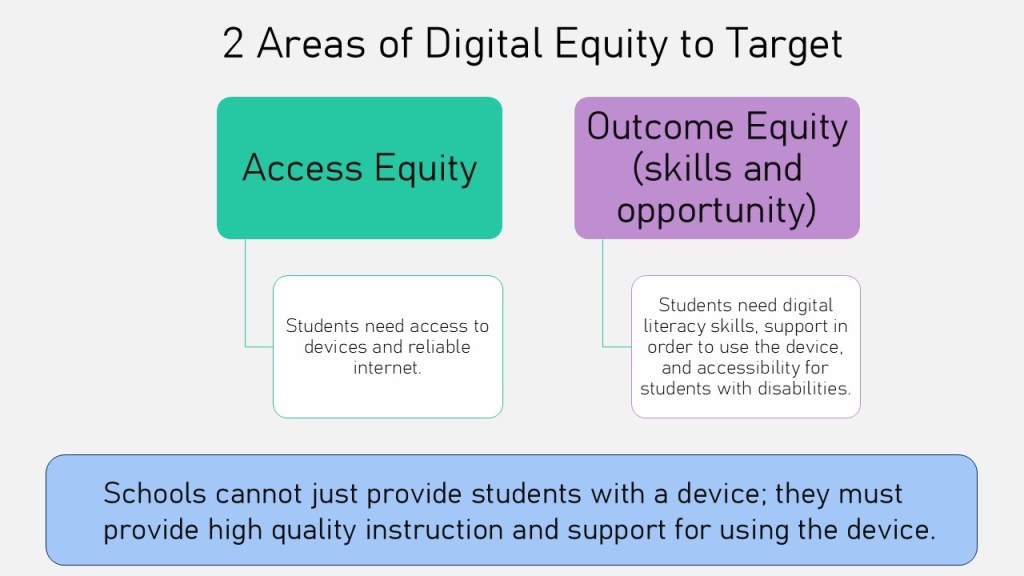
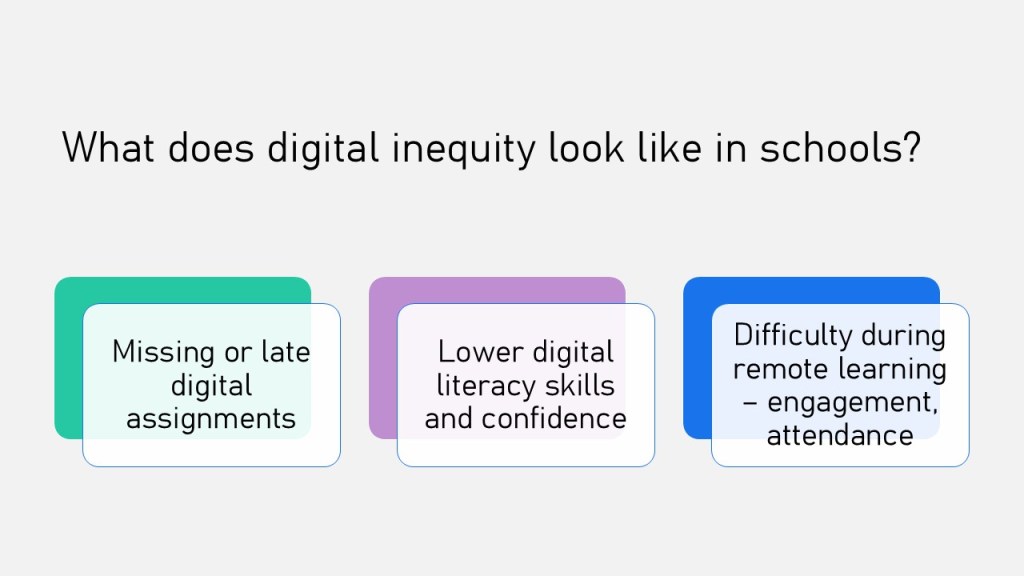
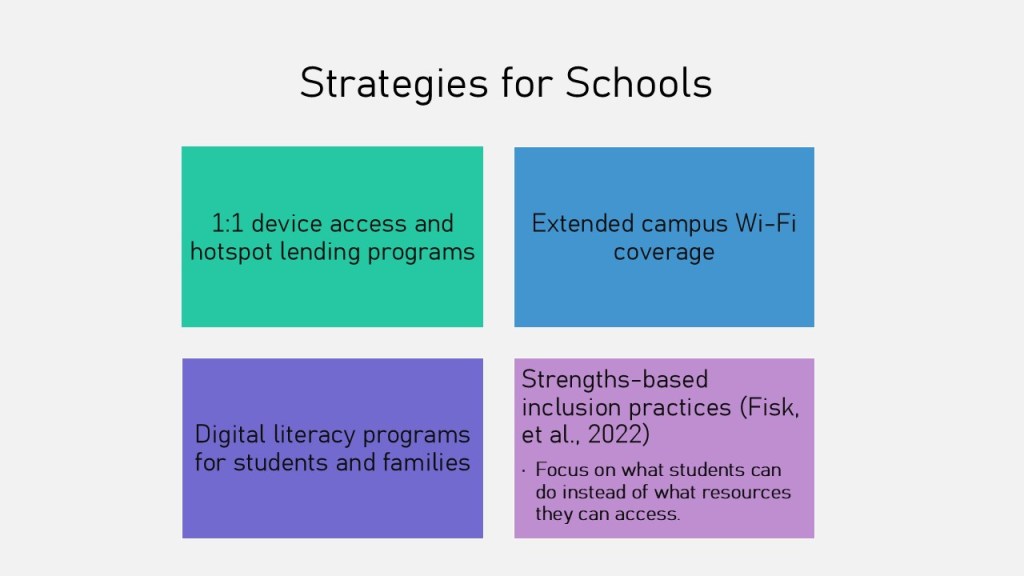
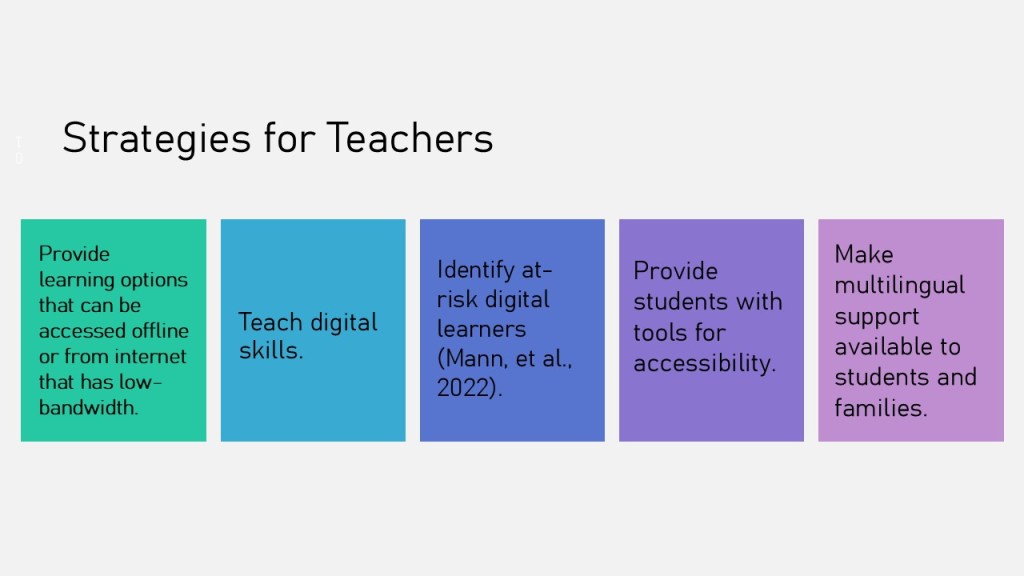
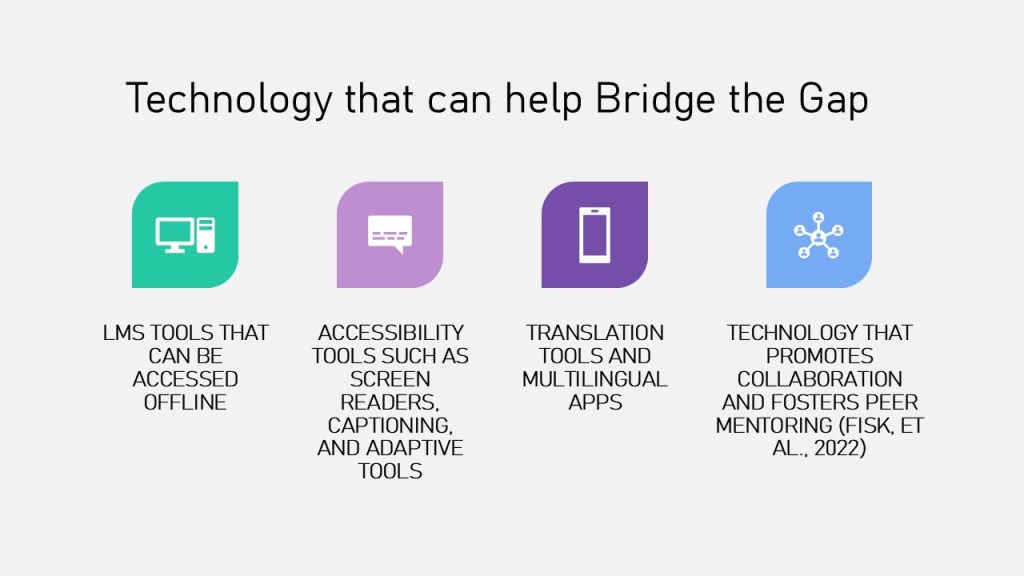
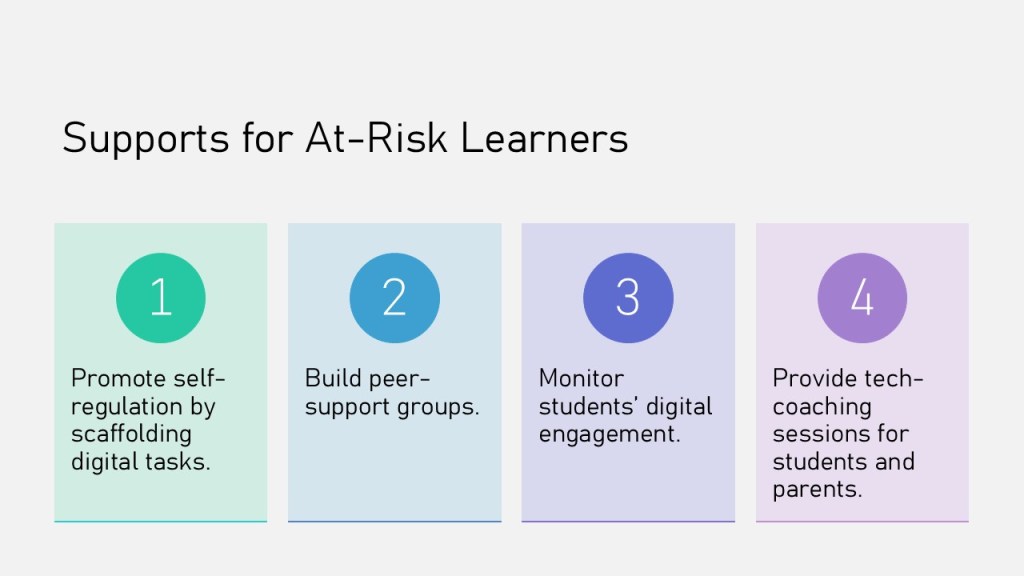
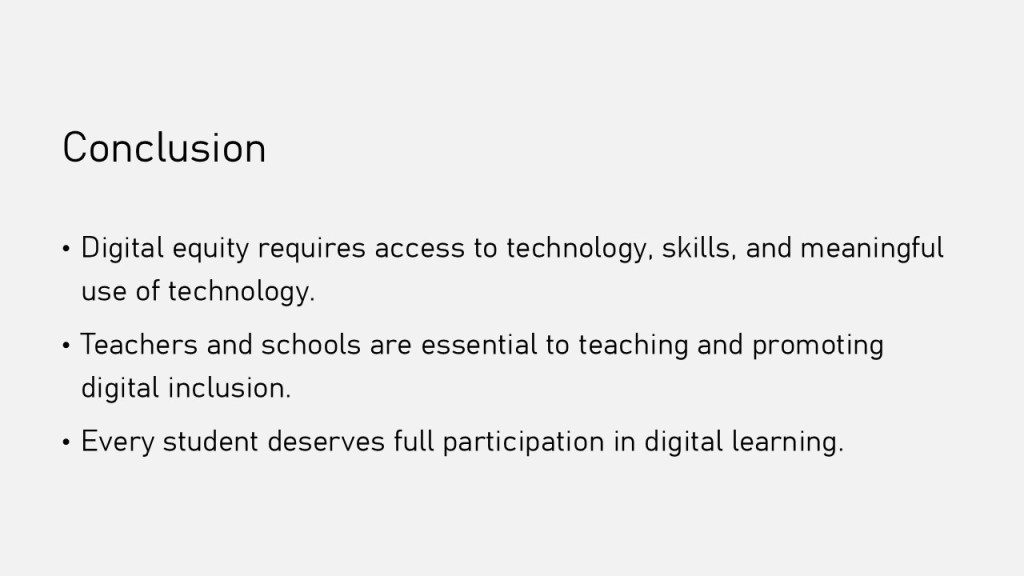
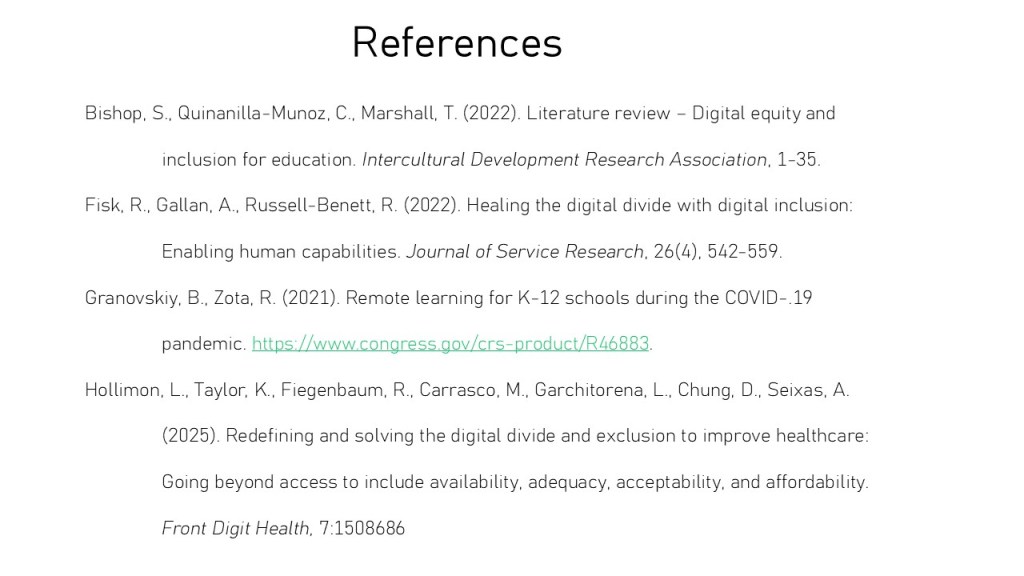
Creating this presentation on the digital divide made me reflect on how uneven access and digital skills impact my elementary art students. I frequently see differences in how comfortably students navigate digital tools, and this affects their ability to fully participate in tech-based art projects. The strategies in the presentation reminded me to offer offline options, provide extra modeling, and build in accessibility supports so every student can succeed. It reinforced that digital equity isn’t just about devices; it’s about ensuring all students have the skills and support they need to engage creatively with technology in the art room.
Chapter 4 and 10 assignment
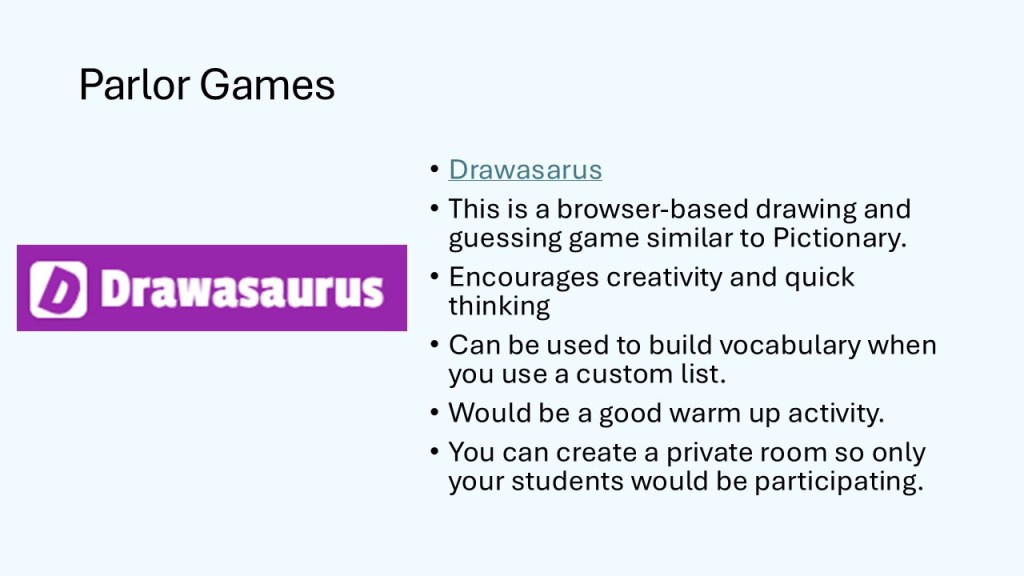
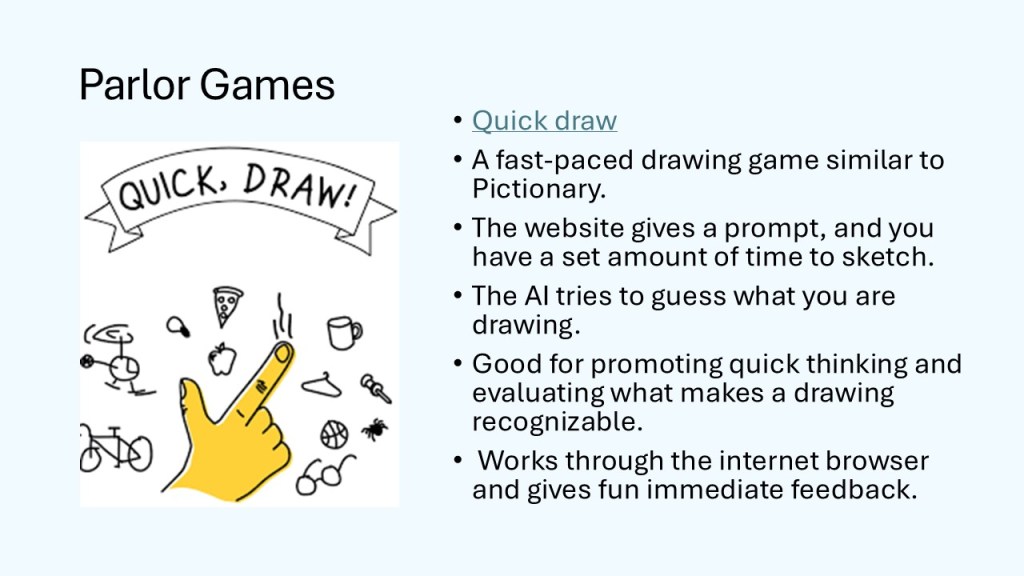
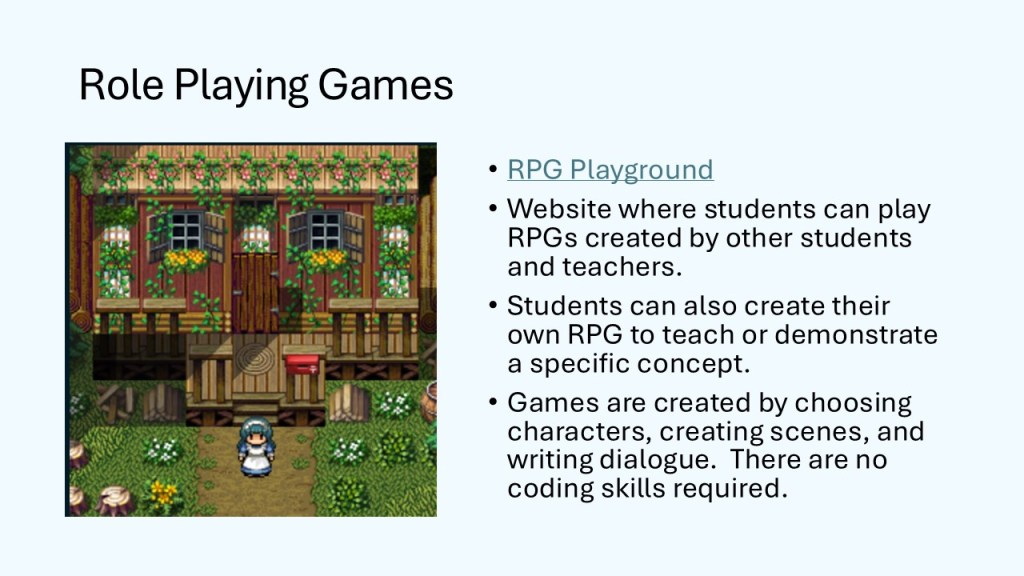
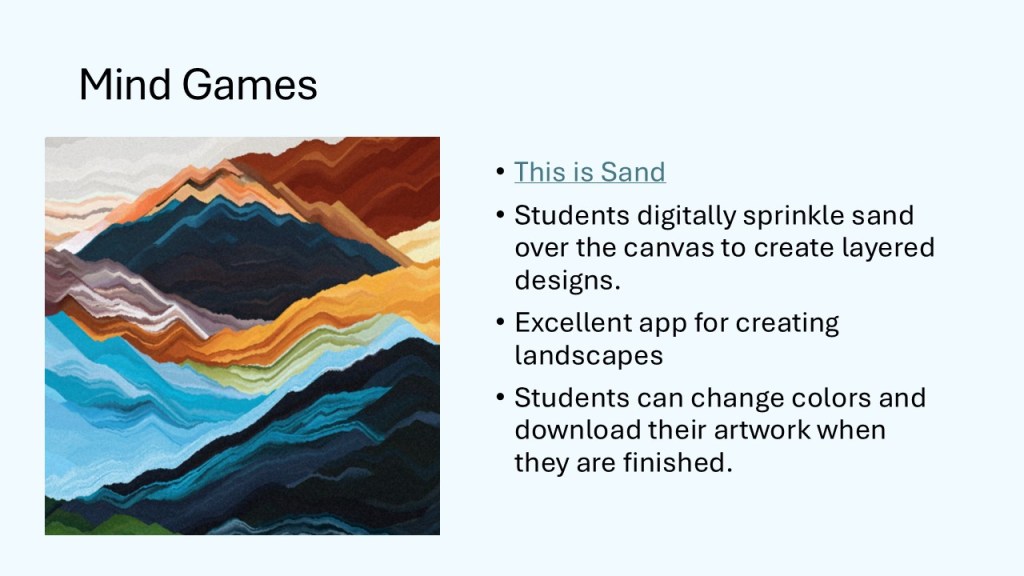
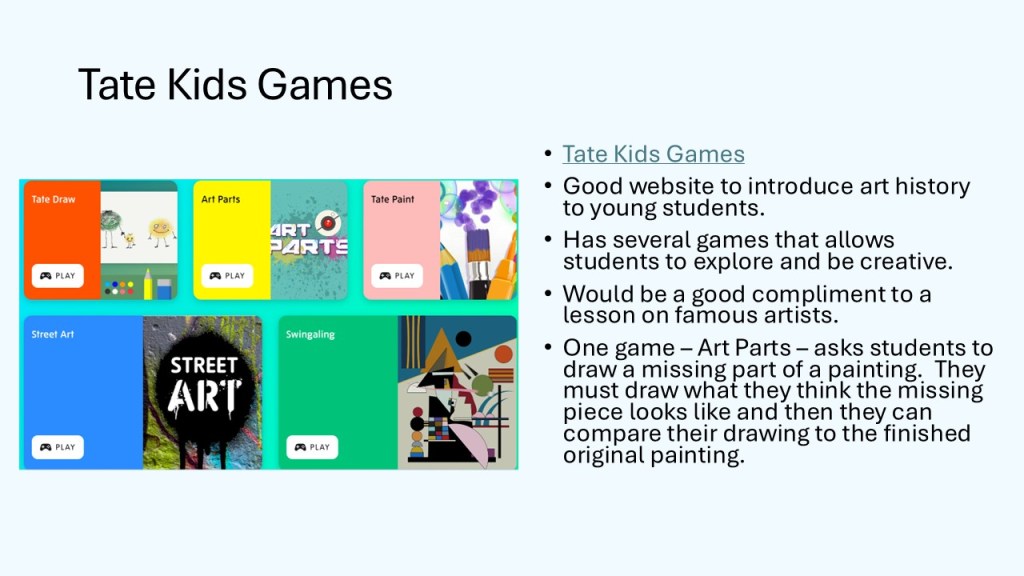
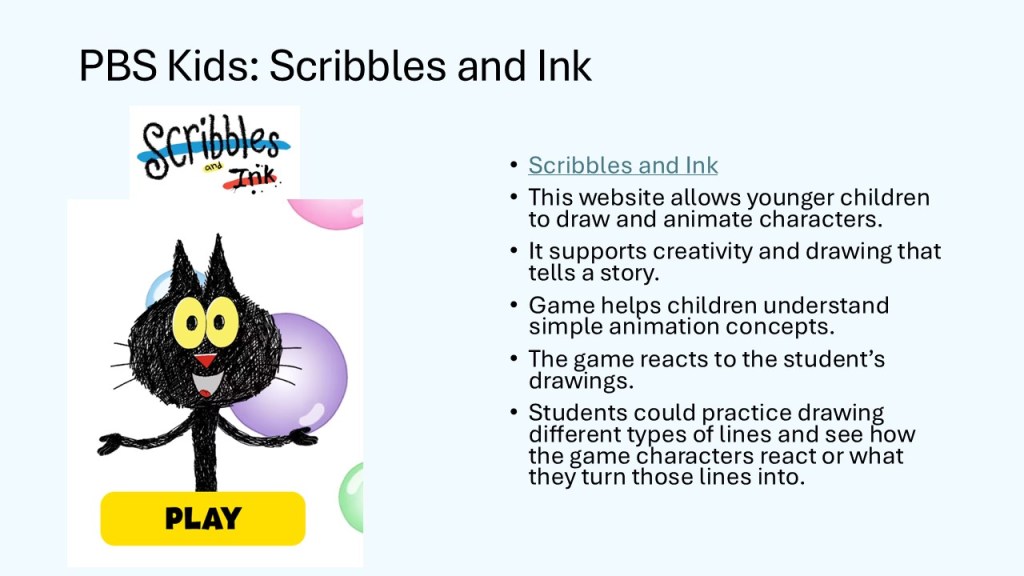
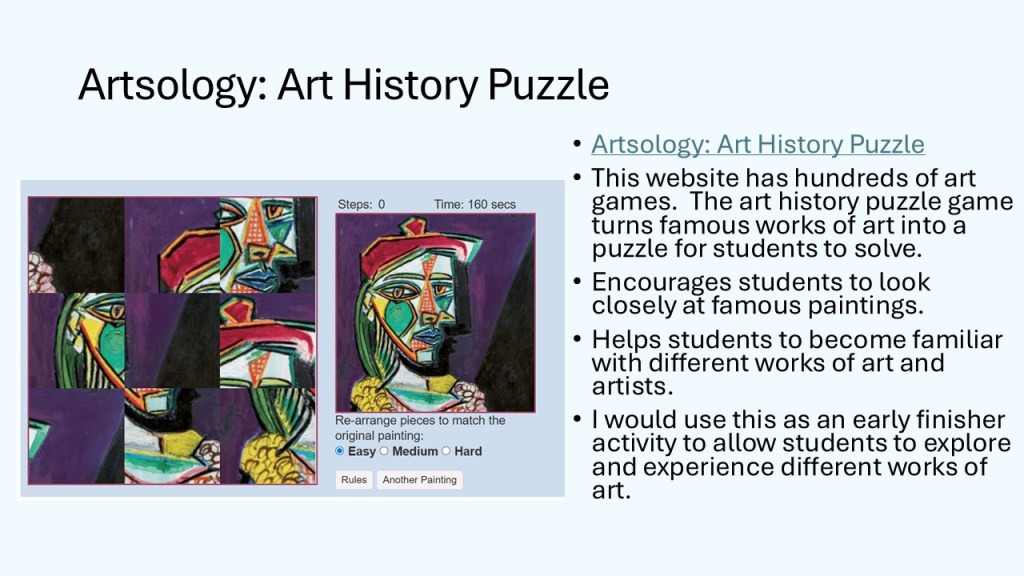
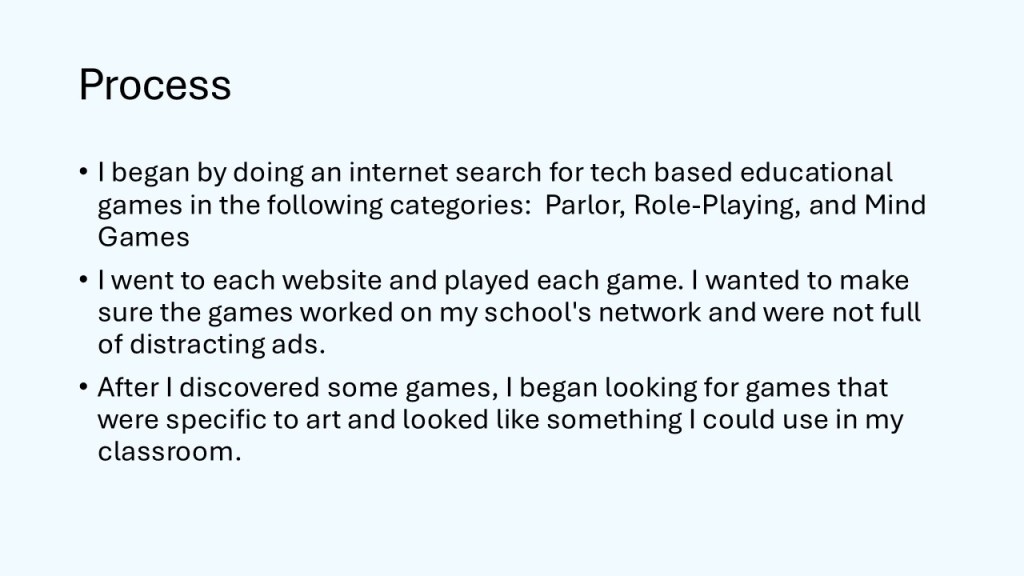
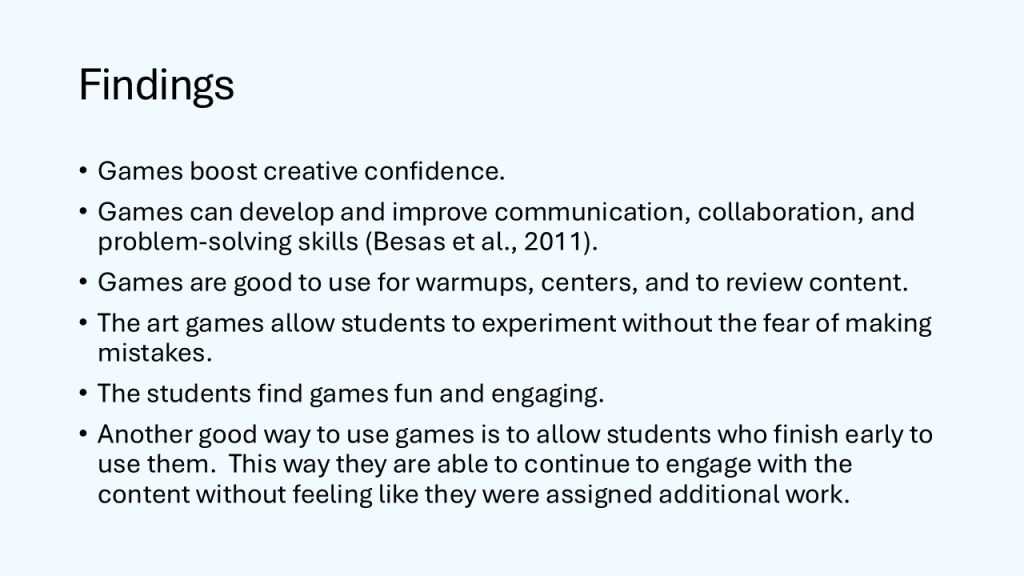
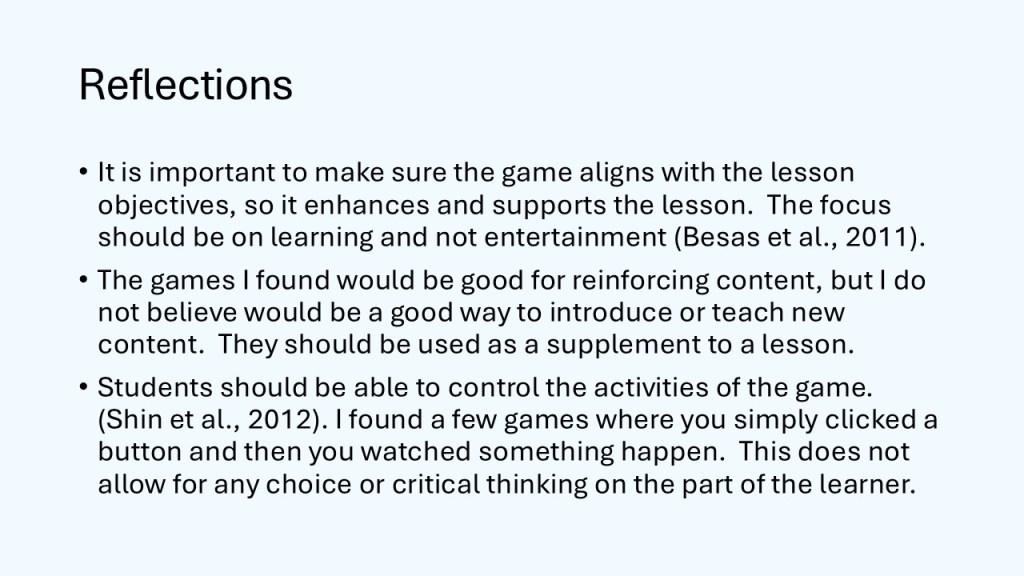
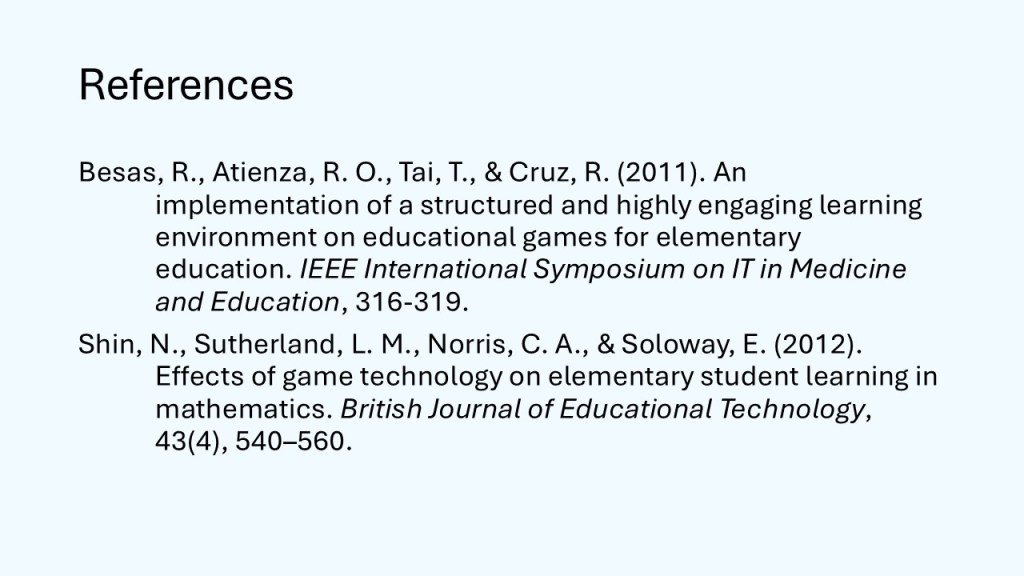
Creating this presentation on educational games helped me think about how digital play can support creativity and skill-building in my art room. Exploring each game made me more intentional about choosing tools that truly reinforce art concepts rather than just entertain. I realized how valuable games can be for warmups, early finisher activities, and helping students experiment without fear of mistakes. It also reminded me to check for alignment with learning goals and ensure students have real control and choice. This process strengthened my understanding of how thoughtful game selection can meaningfully enhance elementary art instruction.
DID model Lesson
Using the DID model helped me look more closely at how my elementary art students learn and what supports they need when working with digital tools. I realized that limited time and varying tech skills affected the quality of their digital posters, which mirrors challenges I see in many art lessons. Reviewing their work showed me where scaffolds, like sentence starters or extra modeling, would strengthen their reflections. Creating a tutorial video also reminded me how valuable repeatable guidance is for young learners. This process reinforced how intentional design and small adjustments can make art instruction more accessible and meaningful.


 Teaching Forward: An Ed.S. Reflection Blog